
Programs
Skills for the world they'll lead.
Four connected programs. One goal: young people ready to build their futures.
The examples below describe intended learning and experiences, not guaranteed results or certificates. Age ranges and program fit vary; parents, guardians, and organizations can ask about available options.
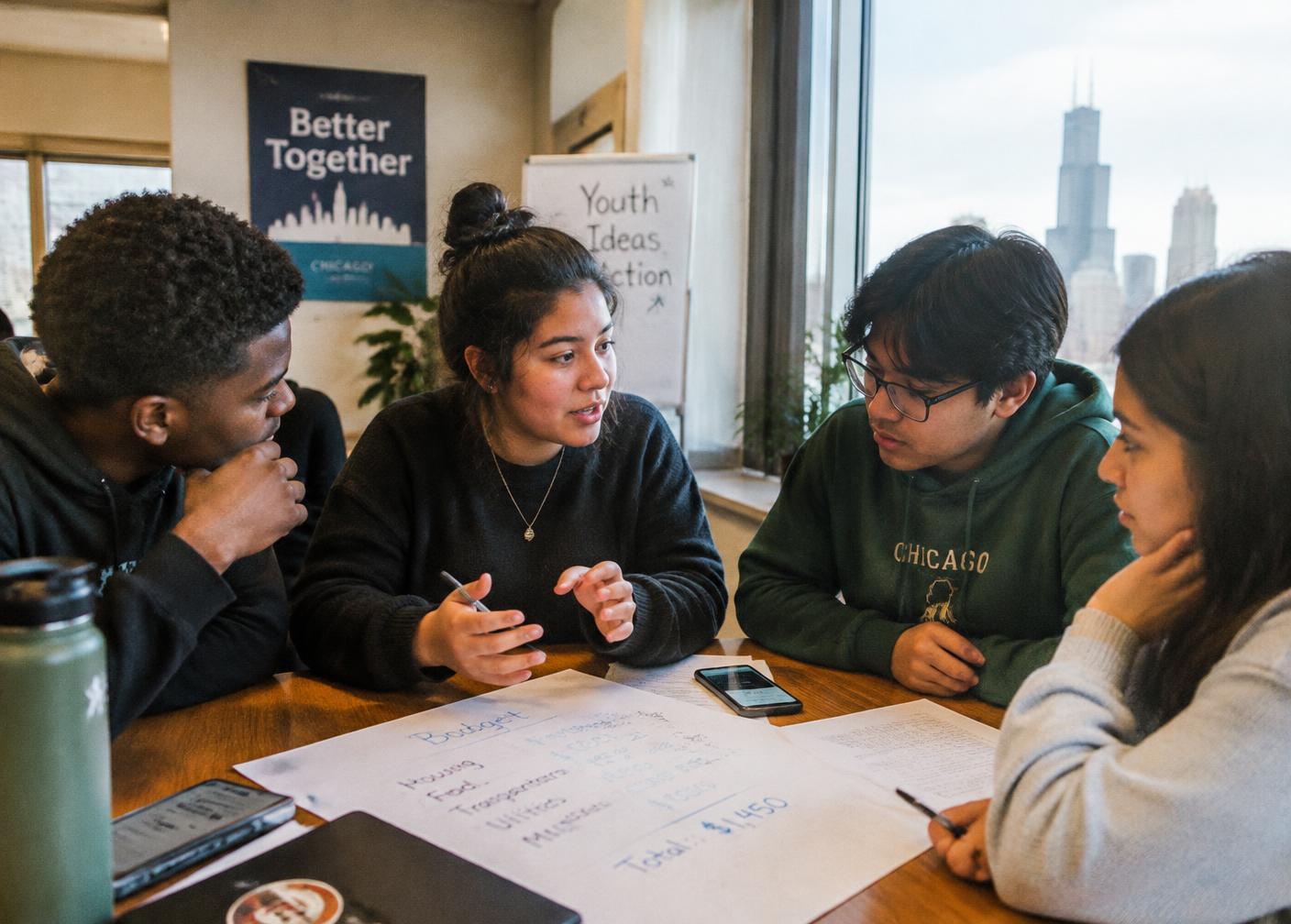
Financial capability · Youth & young adults
BluPRNT
A 12-week financial literacy experience — 24 sessions, 48 hours — that treats money as a skill, not a mystery. Participants learn to plan, protect, and grow what they earn.
- Practice building a budget around income and everyday costs
- Explore banking and credit basics, including responsible borrowing
- Plan saving goals and compare saving choices
- Work through real-life money decisions, such as a paycheck or an unexpected expense
Explore LOGIC Academy, our future online learning platform →
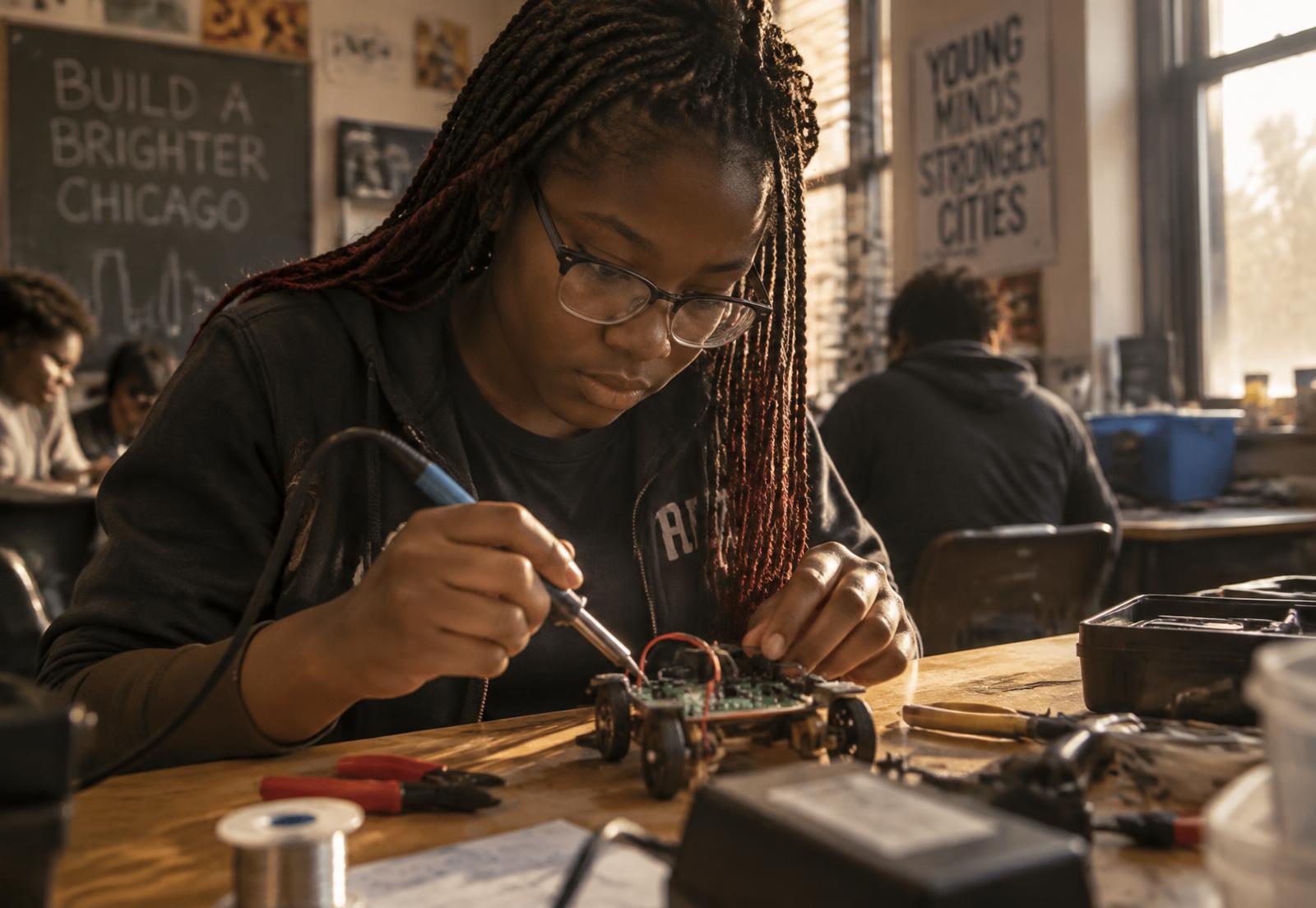
Technology · Ages 9–17
Coding, AI & Robotics
Hands-on technology learning that moves from first programs to intelligent machines. Learners build, test, break, and rebuild.
- Create coding projects, such as a simple game or interactive story
- Develop AI literacy: explore uses, limitations, and responsible choices
- Explore robotics through design, building, and testing
- Practice explaining a project and improving it through feedback
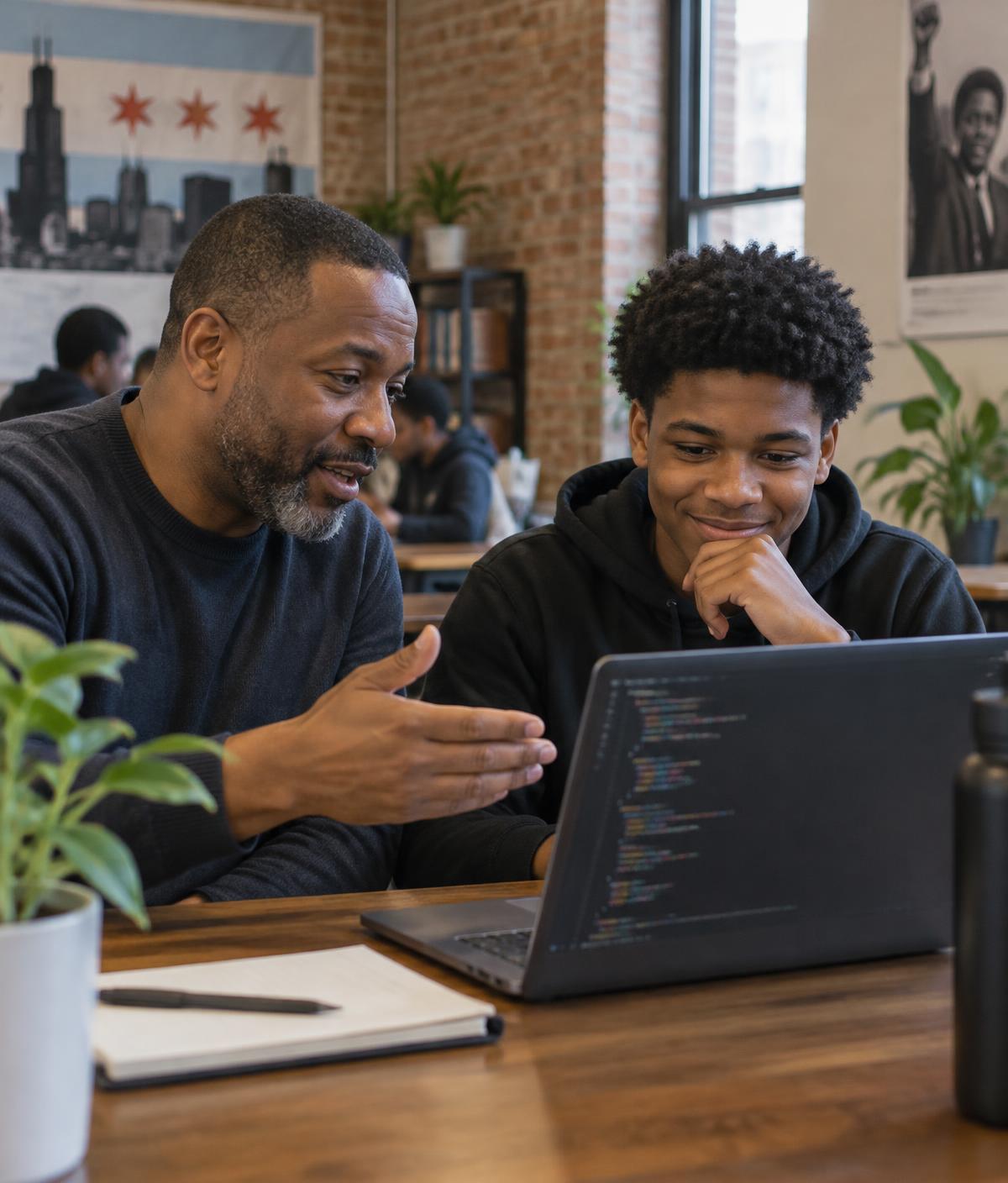
Growth · Youth & young adults · inquire about fit
SEL & Mentoring
Social-emotional learning and mentorship support young people as they practice navigating relationships and challenges with trusted adults.
- Practice listening, expressing needs, and respectful communication
- Explore conflict resolution through everyday scenarios
- Set personal goals and discuss manageable next steps
- Connect with trusted mentors for reflection, encouragement, and guidance
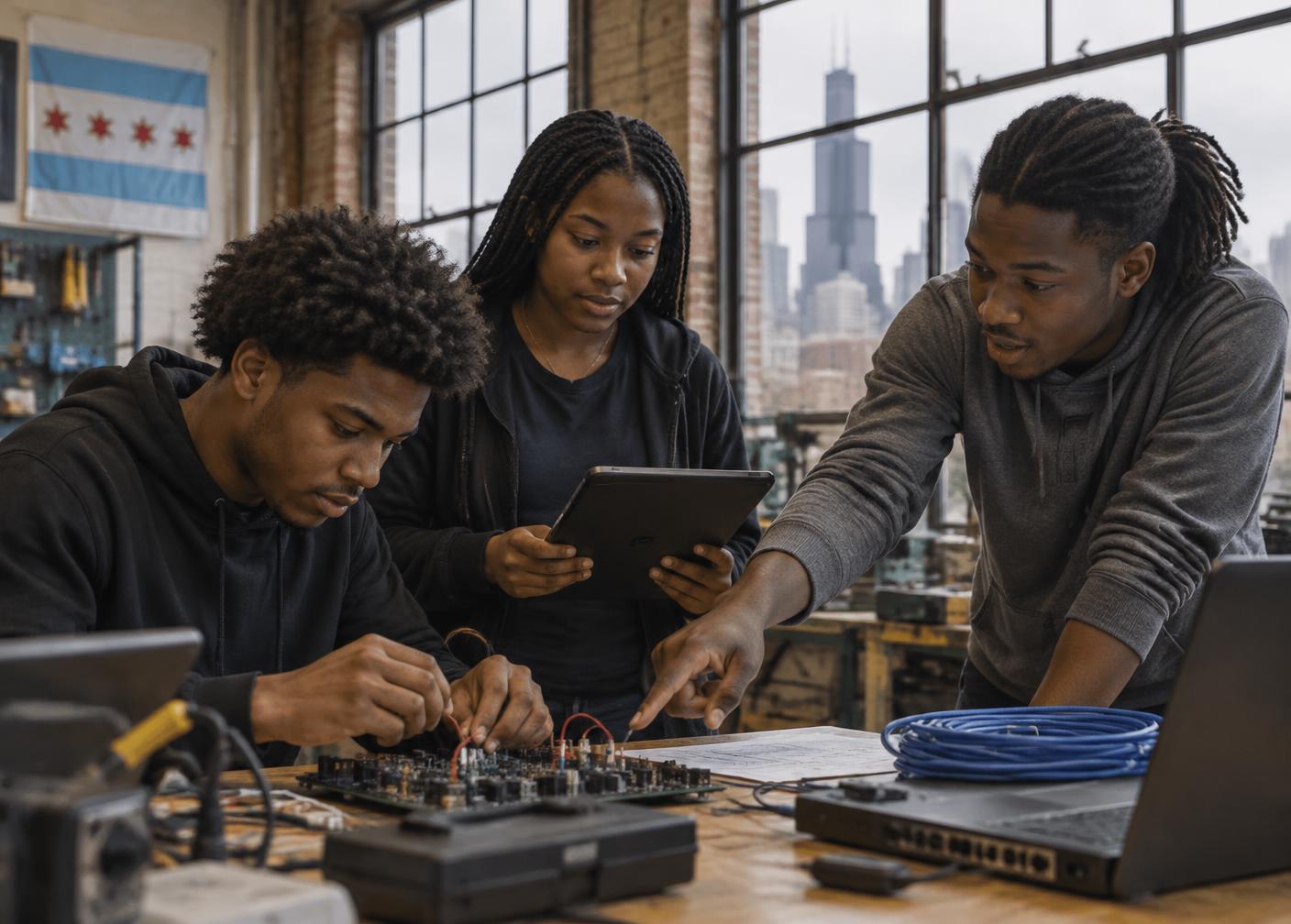
Opportunity · Ages 12–24
Pathways
For ages 12–24, Pathways focuses on exploring education and work, practicing life skills, and discussing reentry or transitions with guidance suited to a young person's stage and needs.
- Explore career interests and education or training options
- Practice life skills, such as planning, time management, and workplace communication
- Develop application or interview skills through practical exercises
- Explore reentry and transition supports, including identifying resources and planning next steps
How the programs connect
One path, not four separate classes.
Our programs are designed to reinforce each other. Technology learning gives young people something real to build. Financial capability helps them understand the value of their skills and plan for what they earn. Mentorship and social-emotional learning give them steady adults to work through challenges with. Pathways offers opportunities to explore education, training, and careers.
Throughout, we focus on hands-on work young people can explain and show, and on relationships with mentors who know them by name.
Schools, community organizations, and employers interested in hosting or supporting a program can reach out to discuss a partnership.
Program questions: hello@logicmentoring.org
NoteLOGIC Academy — our online learning platform is in development. Courses and enrollment will be announced when available.
NoteYouth enrollment is not yet open online. Registration will follow a privacy and safeguarding review.
Questions
Mentorship and programs, answered.
What does a youth mentor do?
A mentor is a consistent, caring adult who listens, encourages, and helps a young person set and work toward goals. At LOGIC, mentorship runs through every program, so mentors support learning in technology, money skills, and planning for what's next.
Why does mentorship matter alongside skills training?
Skills open doors, but relationships help young people walk through them. A trusted adult can help a learner stay with hard work, see possibilities they hadn't considered, and connect what they're learning to real opportunities.
What ages do LOGIC programs serve?
Coding, AI and robotics is designed for ages 9–17. Pathways serves ages 12–24. BluPRNT and SEL & Mentoring serve youth and young adults across our programs.
How can my child join a program?
Online youth registration isn't open yet; it will follow a privacy and safeguarding review. Parents and guardians can email hello@logicmentoring.org with general questions — please don't include a young person's personal details.
Can a school or organization host a LOGIC program?
We welcome conversations with schools, community organizations, and employers. Email hello@logicmentoring.org or visit Get Involved.
How can I become a mentor or volunteer?
Email hello@logicmentoring.org to tell us about your background and interests. Working with young people will require screening in line with our safeguarding practices.